


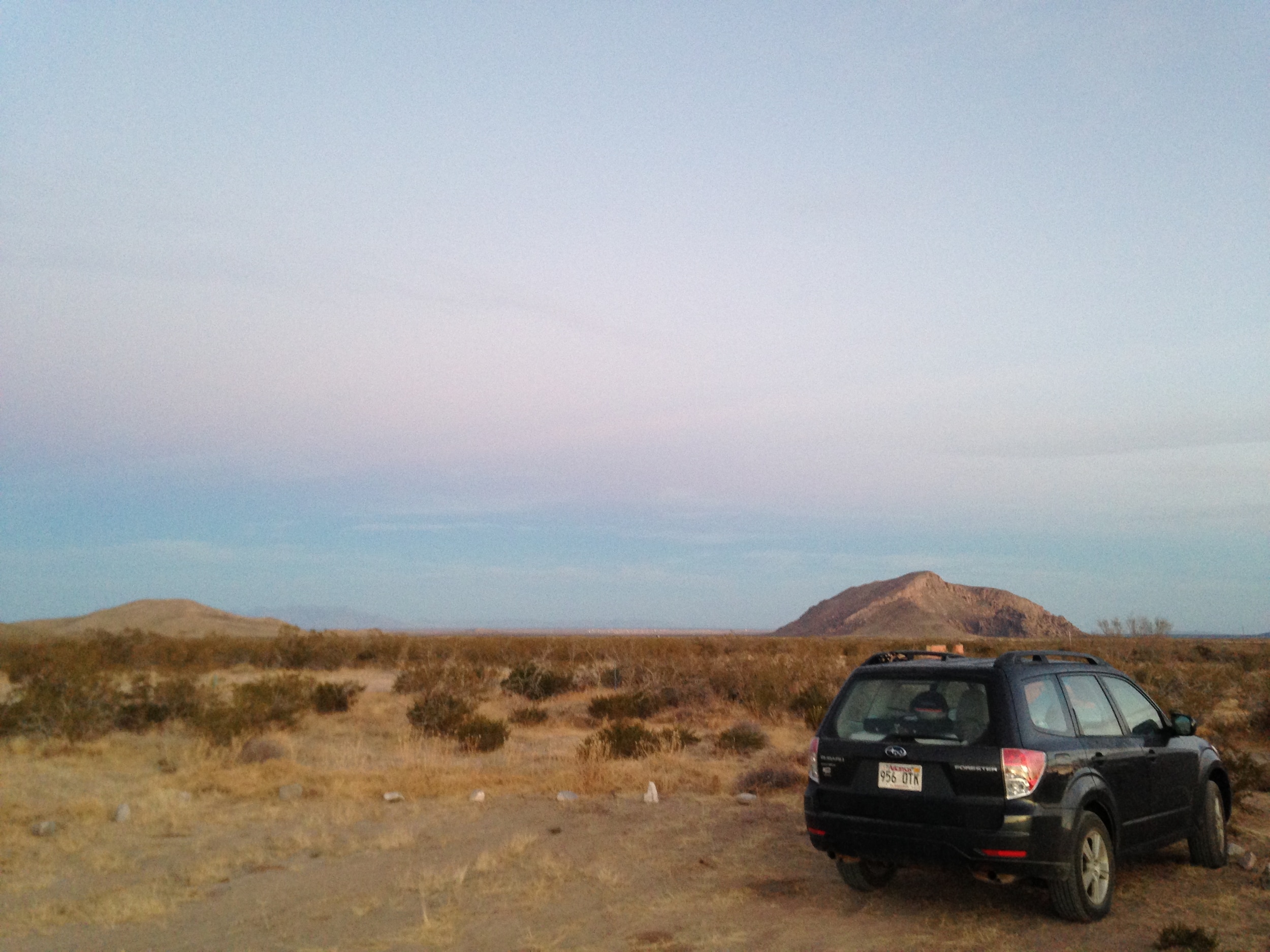
Driving is kind of what Americans do. In a lot of cases, it's out of necessity. The United States is the third largest country after Russia and Canada, but we rank 180th in population density, having 84.4 people per square mile. There's a lot of open space between cities and even within towns.
People who live in the U.S. don’t bat an eye at having to drive 30 minutes to grab a gallon of milk, and road trips that extend for hundreds of miles are a big part of American culture. However, recent data suggests that Americans are driving less and less.
Statistics show that the number of miles the average American drives in a year is declining. The numbers started to drop when the recession hit, but they have continued to fall, rather than increase with a recovering economy.
Traditional thinking is, the better the economy, the more wealth, the more people can afford to travel and buy more vehicles for family members. However, not all of the numbers agree with this assumption. Since the economy is recovering and the miles being driven are decreasing, the conclusion is a shift in behavior.
Researchers from the University of Connecticut looked at driving tendencies by individual state rather than entire country. They found that a number of states had their driving peaks well before the most recent recession. States like Washington, Oregon, and Rhode Island all had their peak car travel before the recession hit.
This suggests that the tendency to drive less isn't locked in to the condition of the U.S. economy. People are becoming more aware and taking more responsibility for the environmental costs of racking up miles.
Even if you drive an eco-friendly hybrid, driving can still take its toll on the environment. However, by cutting out unnecessary driving, you can lessen your impact and increase the longevity of your vehicle. You still need a car for road trips, or hauling a lot of gear, but you don't necessarily have to drive to the grocery store, library, or downtown. If you live within walking or biking distance, take the opportunity to get some fresh air and exercise.
While the economy growing and driving dropping seems like it signals a shift American behavior, you do have to keep in mind that gasoline prices have remained in the stratosphere even after the recession ended. It will be interesting to see if the recent drop in gas prices has any effect on the number of miles that are driven in the U.S.
Categories:
Social