

Subaru owners are known to have a thirst for adventure – a constant drive to see new places and experience new things. If you're the type to seek out excitement, you're bound to come across a mountain or two along the way. So, if you're planning to cruise along the Guadalupes in southwest Texas, or truck up the continental divide in Colorado, you need to be prepared for mountain driving.
Driving in the mountains is totally different from driving on flat land. There's something about high elevations that storms find alluring. Rain, snow, and lightning all like to meet up and play in the mountains, which can make driving difficult and dangerous. While nature's beauty is one of the best parts about driving along mountains, nature can also be one of the biggest hazards.
Mountain critters aren't necessarily mindful of traffic laws. It’s not uncommon to see animals standing in the middle of the road. Big animals, like elk or deer, can seriously damage you and your car.
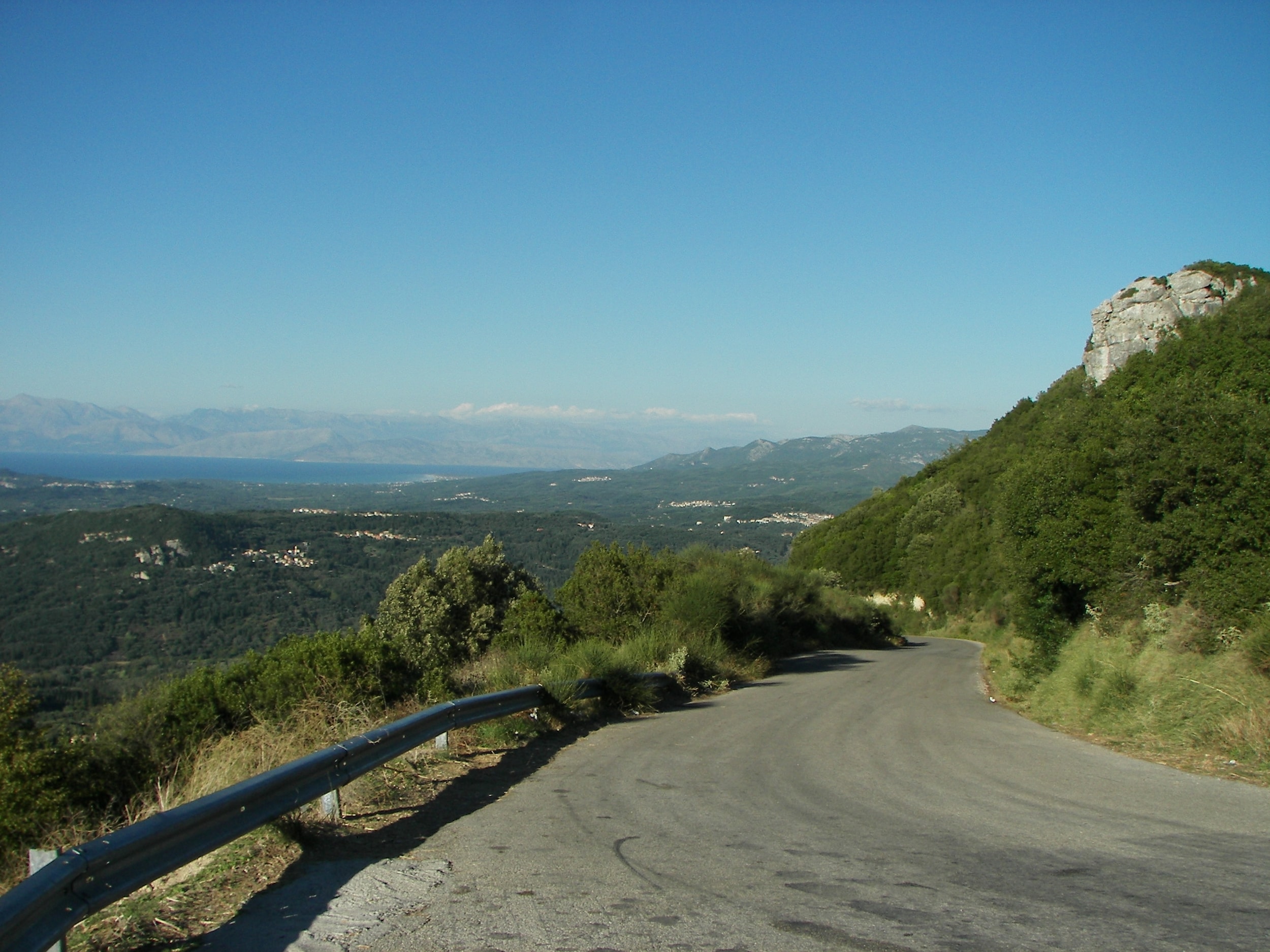
Thunderbolts and mule deer aren’t the only things that can make mountain driving challenging. Mountains roads are, by necessity, steep and windy. Sharp turns and high inclined roads can pose all kinds of problems for drivers who aren't used to paying attention to those things.
High elevation roads can also give your car fits. Driving up a steep road can be challenge enough for plenty of cars, but the higher the altitude, the thinner the air, and the harder it is to push up those mountains. There are plenty of people who will tell you that 4 cylinder vehicles just don't cut it at high elevations, but that's not always true. While 6 cylinder vehicles will make shorter work of high mountain roads, you won’t be stuck at the bottom if your car only has 4 cylinders.
Keep in mind that if your vehicle is struggling up a mountain, and you're holding up traffic, proper etiquette is to pull off to the side of the road whenever it is safe and convenient to let traffic pass.
But there are two sides to every mountain, an up and a down.
When you're driving down a mountain, it’s important to maintain a safe speed. It’s harder to stop your momentum going down a mountain than going up. Using lower gears to regulate your speed is a good way to make sure that your car doesn’t get away from you, and never coast down a mountain road by throwing your car in neutral. Switching down to a lower gear to regulate your speed can help save your brakes from overheating
If you’re driving down a narrow mountain road and you meet someone driving up the road, proper etiquette is to give the uphill car the right of way. It's the same as hiking etiquette. The person going uphill is laboring more than the person going downhill.
Categories:
Social